
You know that sinking feeling when you slash your prices to boost sales, only to watch your profits disappear? You're not alone. Every time you offer a discount without a solid strategy, you're training customers to wait for the next sale. You're devaluing your brand. And worst of all, you're working harder while earning less.
Maybe you've tried random flash sales that brought a quick rush of orders but left you wondering if you actually made any money. Or perhaps you've watched competitors constantly discount their products and felt pressured to do the same, even though it feels wrong. The truth is, discounting without strategy is like driving with your eyes closed. You might move forward, but you're headed for a crash.
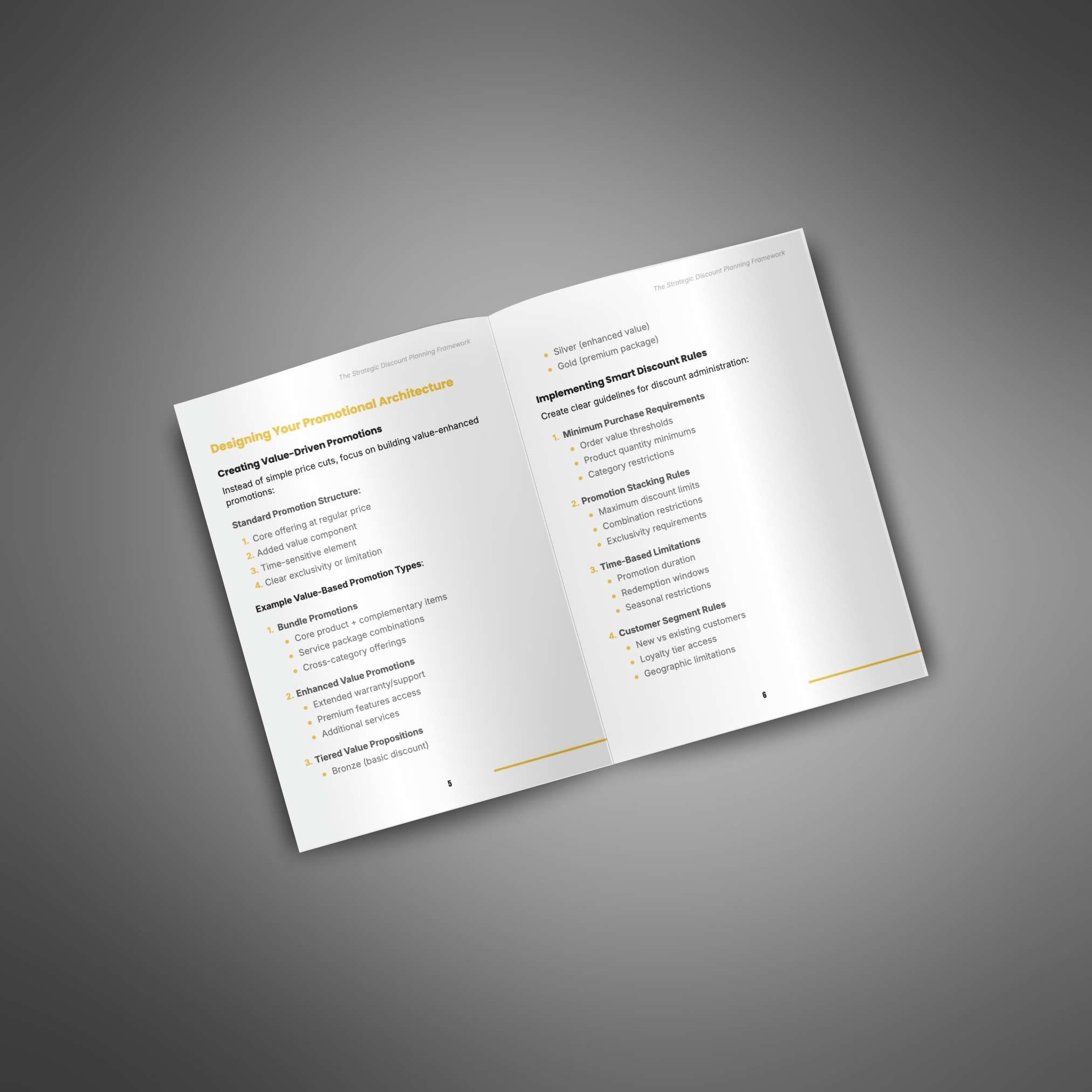
The Smart Way to Use Discounts
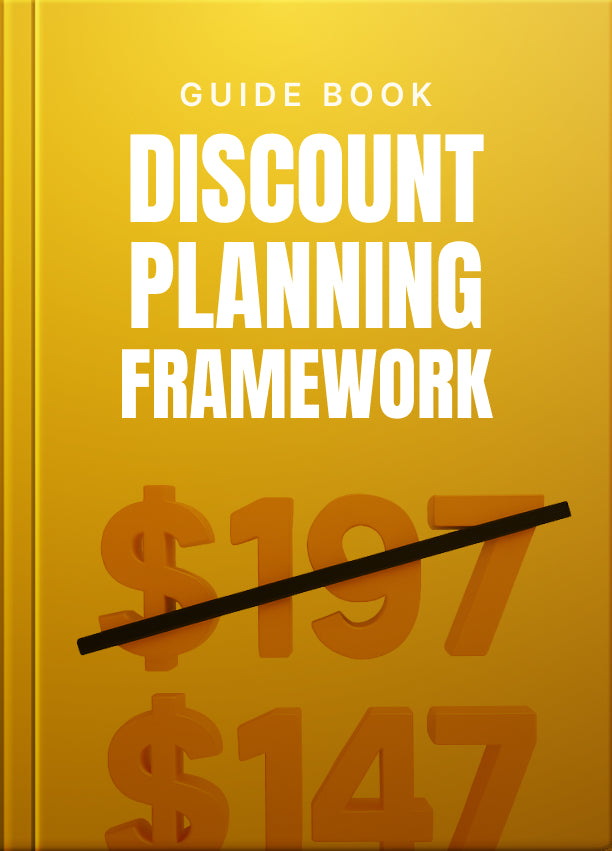
This framework changes everything. Instead of guessing or copying what others do, you'll have a clear system for planning every promotion. You'll know exactly when to offer discounts, how much to take off, and which customers should get the deal. No more panic-pricing. No more profit erosion. Just strategic promotions that achieve specific goals while keeping your business healthy.
What You'll Master
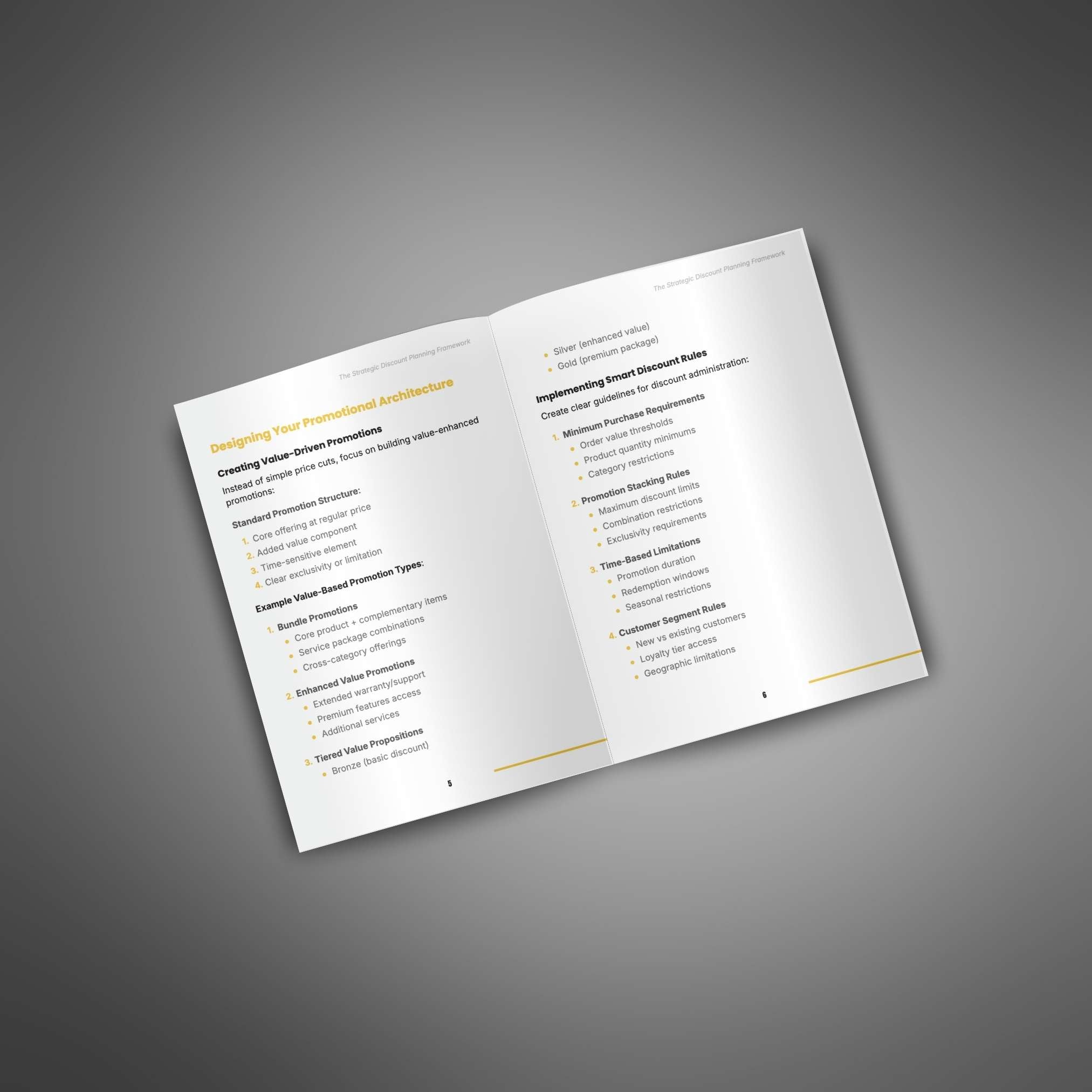
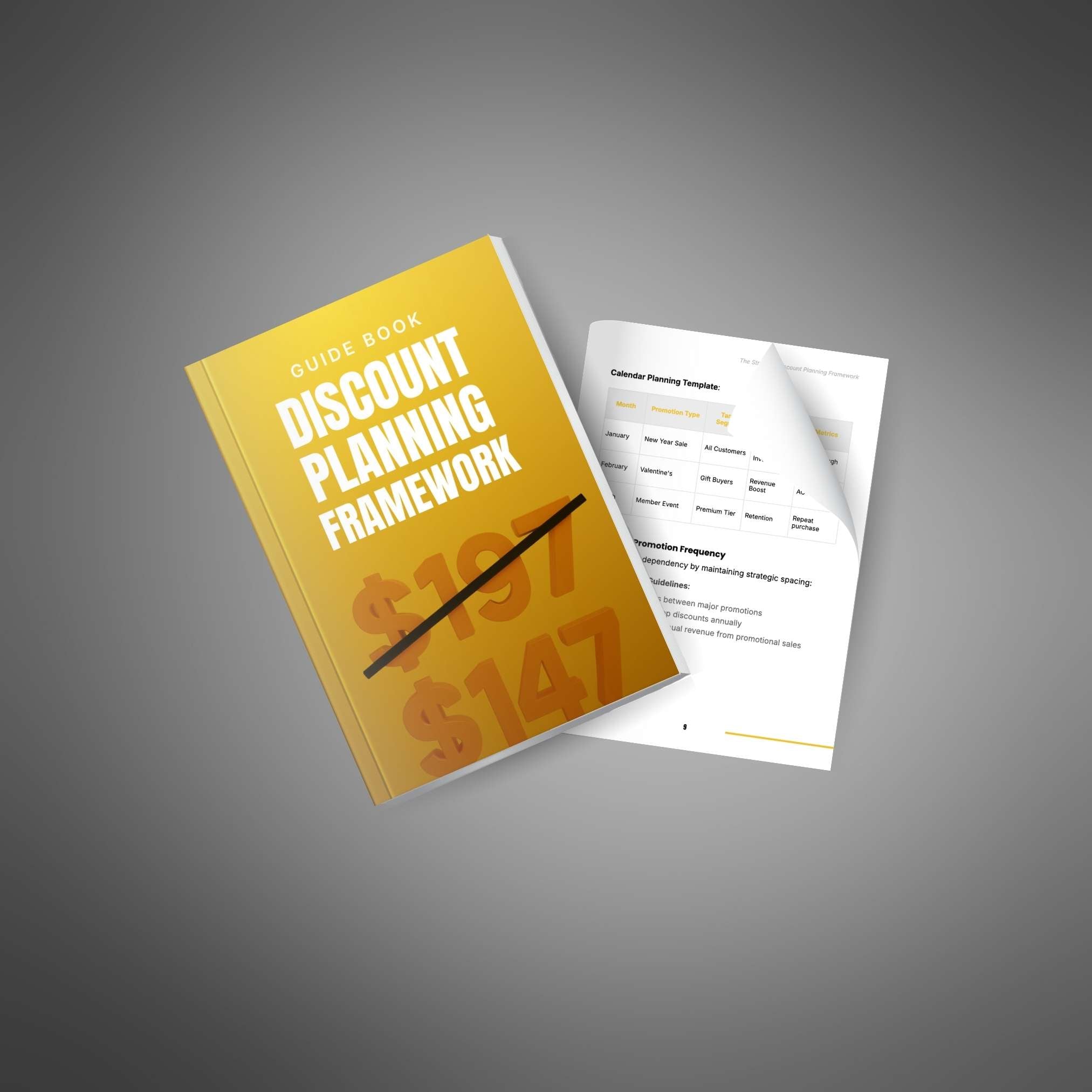
Inside, you'll discover how to analyze the true cost of every discount before you offer it. You'll learn to build value-based offers that make customers excited without training them to expect constant price cuts. You'll create a promotion calendar that spaces out your sales strategically, so each one feels special and drives real results.
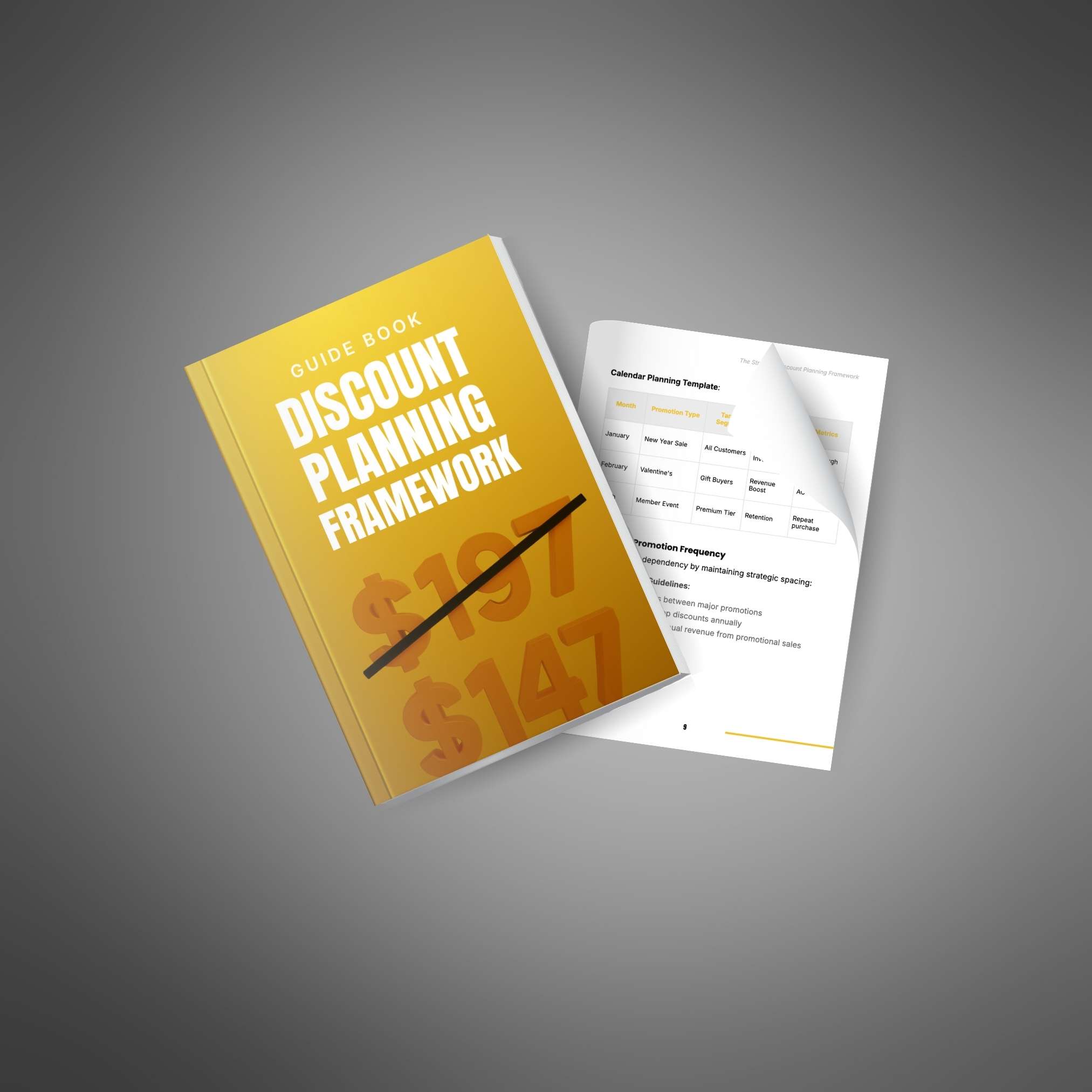
Track What Actually Matters
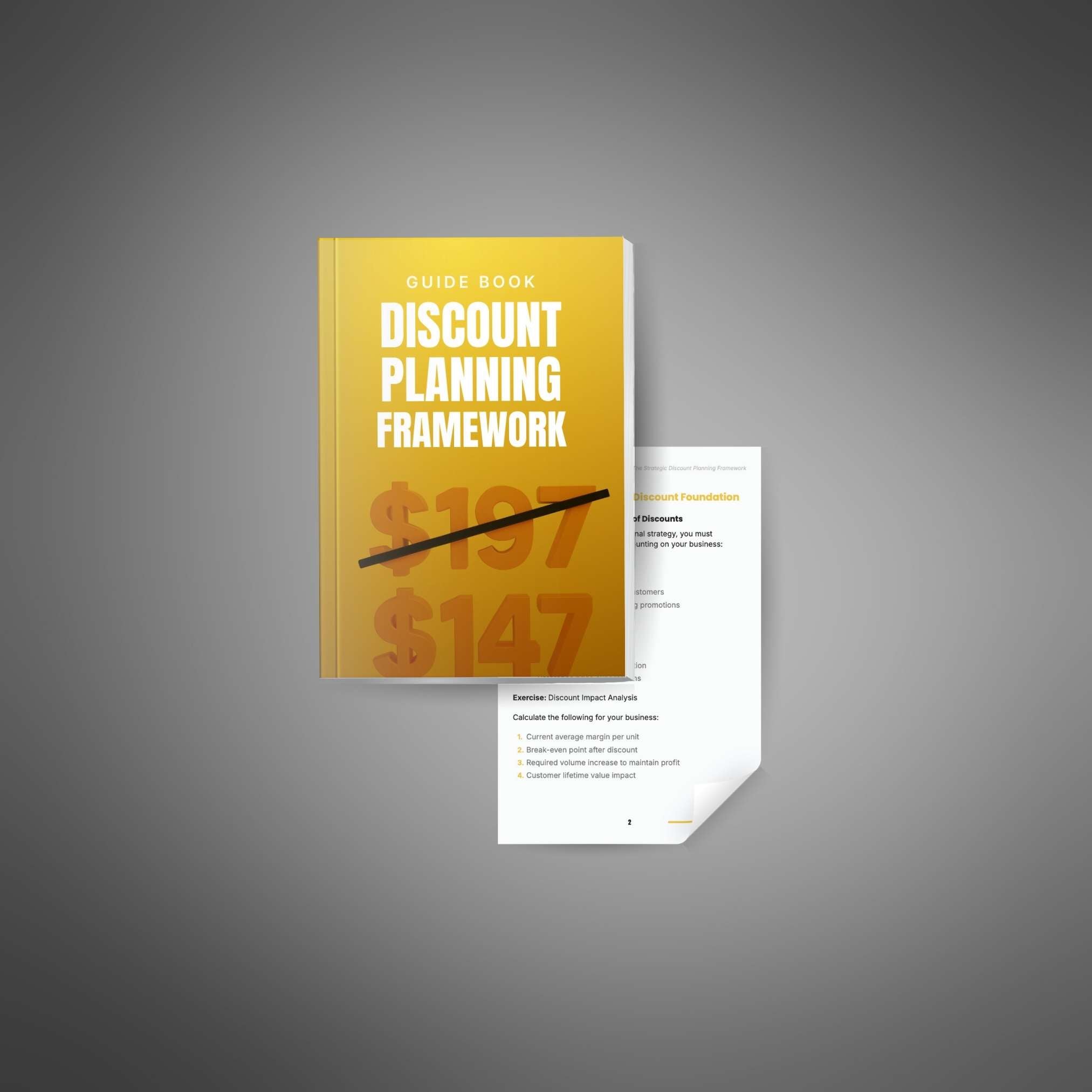
The framework includes simple tracking tools that show you which promotions work and which ones waste money. You'll see the real impact on your bottom line, not just surface-level sales numbers. This means you can double down on what works and eliminate what doesn't.
Your Competitive Advantage Starts Now
While your competitors continue the race to the bottom with endless discounts, you'll be running a smarter business. One where promotions serve your goals, protect your profits, and build long-term customer relationships. The question isn't whether you can afford this framework. It's whether you can afford another poorly planned sale.